Build a performance map
Pick a track with recognizable shifts. Note where each performer enters, where a joke lands and when the rival gets a reaction. Practice the lip sync at normal playback speed, including pauses.
Performance planning
A memorable battle depends on timing, character and a clear reveal—not just knowing the words. Use this guide to shape the live performance, then decide what footage is worth turning into a shareable clip.
Partner workflow: Vidione creates paid talking-avatar video from a photo, script and voice, or a single AI video shot after sign-in and subscription. It cannot change the speech or lip movements in an already recorded video. These links transfer no footage or prompt.
Most groups already have a song, a performer and a place to film. The gaps tend to appear between rehearsal, recording and the final cut.
Video work cannot make a performer hit cues they never practiced. A convincing battle still needs expression, gestures and deliberate changes in energy.
WorkaroundMark the opening line, chorus and final pose, then rehearse those moments against the actual audio.
Choosing a track for an event does not grant permission to publish a recording of it. A platform may mute, restrict or remove a posted clip.
WorkaroundCheck the venue and publishing platform's music rules before selecting the song or sharing the edit.
If a microphone, hand or another performer covers the mouth at the punch line, viewers cannot judge the lip sync. A distant camera creates the same problem.
WorkaroundCapture a clear facial angle and keep a wider shot for choreography.
This page is a planning guide, not a promise that the linked product supports a particular editing control, input or export format.
WorkaroundCheck the available features at the destination before committing your footage to a workflow.
Use a short preparation-to-edit sequence so the battle works in the room and remains understandable on video.
Pick a track with recognizable shifts. Note where each performer enters, where a joke lands and when the rival gets a reaction. Practice the lip sync at normal playback speed, including pauses.
Play the same audio for every take and capture the full routine without stopping. Keep the face visible, leave room for movement and record audience reactions separately if possible.
Watch the opening without context: can someone identify the performer and understand the challenge? Trim dead space, compare mouth timing against the track and end on the strongest reaction.
These nearby formats can help you choose a tone before you rehearse or film.
Find character choices and comic reveals that can give a battle round a distinct payoff.
Adapt song choices, staging and rehearsal expectations for younger performers.
Think through a shorter, vertically framed version of a performance for TikTok.
The useful comparison is not unedited versus flashy. It is whether a viewer can follow the contest and see the moment each performer intended.
Unplanned recording
Starts while someone walks into position
Prepared battle clip
Opens on the performer or the first recognizable cue
Unplanned recording
Different playback levels across takes
Prepared battle clip
One chosen track version guides rehearsal and review
Unplanned recording
Wide framing hides mouth movements
Prepared battle clip
A clear angle shows expressions and lip sync timing
Unplanned recording
One energy level from start to finish
Prepared battle clip
Entrance, escalation and final pose have separate beats
Unplanned recording
Cutaways interrupt the best line
Prepared battle clip
Reactions support rather than replace the performance
Unplanned recording
Camera keeps rolling after the payoff
Prepared battle clip
Clip finishes on a pose, response or crowd reaction
A battle can be playful, polished or deliberately simple. Match the routine and recording plan to the people taking part.
Two friends trade exaggerated characters across contrasting songs.
Give each round one visible joke and a reaction shot, rather than stacking punch lines so quickly that the lip sync becomes hard to follow. For character inspiration, see the linked examples.
funny lip sync examplesA class event needs short turns that participants can rehearse comfortably.
Set an agreed song list and simple stage boundaries. Prioritize participation and recognizable cues over difficult choreography; the linked examples offer age-conscious starting points.
lip sync examples for kidsA pair wants to share the strongest exchange from a longer live routine.
Film vertically as well as wide if possible, then select a segment with a complete setup and payoff. Consider the viewing context described on the linked channel page.
lip sync tiktokUse the pair as a planning contrast, not as a claim that one image was generated from the other.
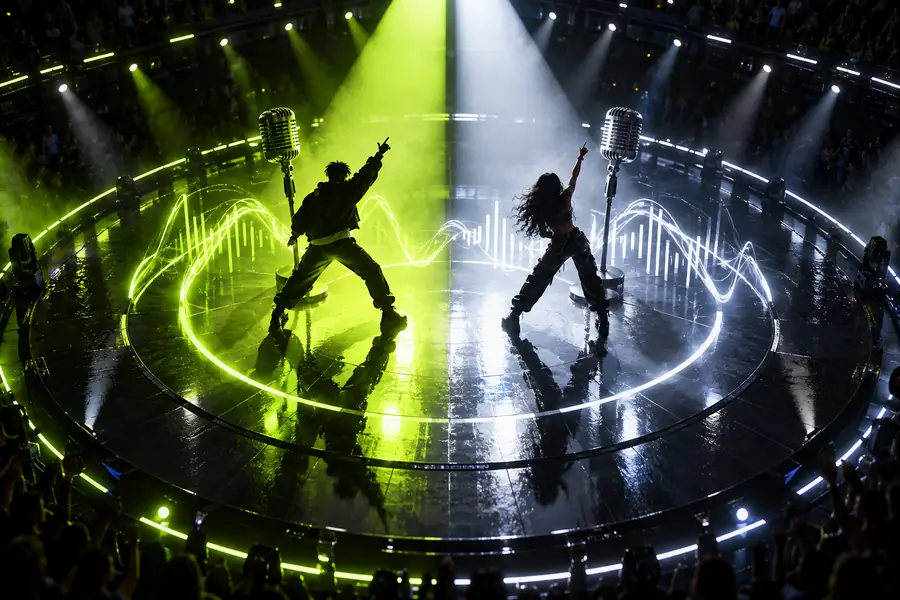
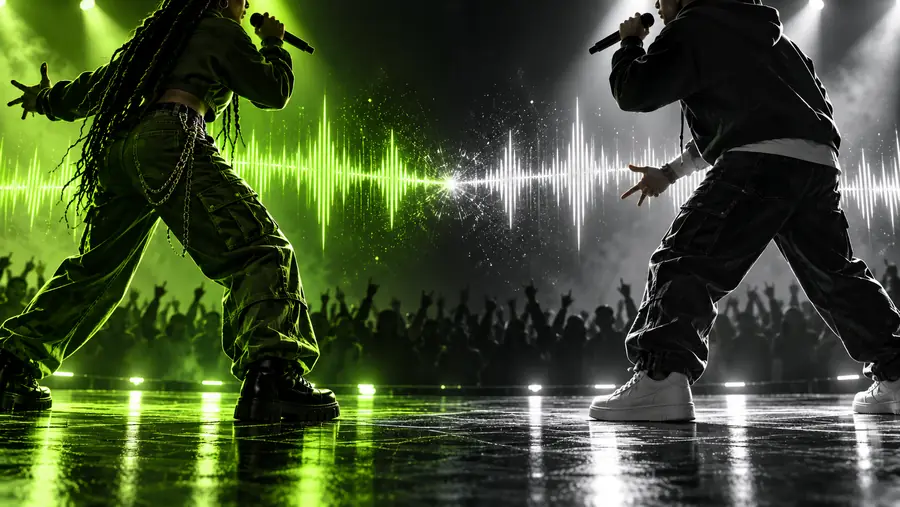
These are separate illustrative images, not an actual before-and-after edit. For your own footage, compare the recorded opening with the proposed final cut: both should make the performer, facial timing and payoff easy to read.
Keep the chosen track version, a full performance take and the intended opening and ending together. Review visible lip sync, music-use rules and the destination's available features before deciding how to finish or publish the clip.
Yes. People still use the format for parties, school events, live entertainment and short-form videos, even when they do not call every performance a formal competition. The appeal is the contrast between a familiar recording and someone's interpretation of it.
A battle gives viewers at least two performances to compare, often with alternating turns or a shared prompt. Song choice matters, but character, timing and the response to another performer make the contest legible.
Yes. Agree on turn length, playback volume and a clear performance area before anyone starts. Keep spectators out of the camera's view of the performers' faces, and capture reactions only when they add to the moment.
Not necessarily. A shorter excerpt can preserve the entrance, escalation and payoff if those beats make sense together. Check music permissions and platform rules before publishing any recording that uses a commercial track.