The reaction creator
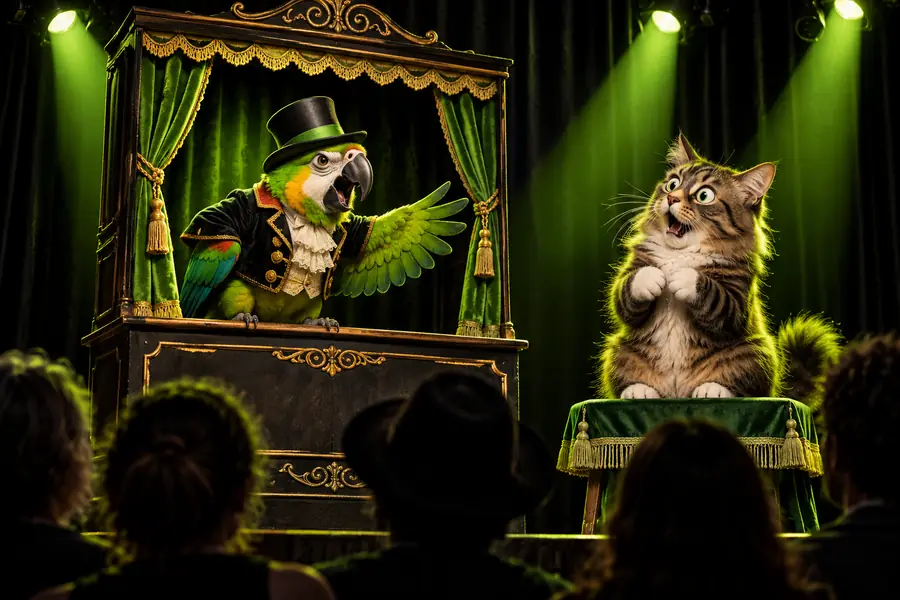
A character delivers an overly serious line while the visual scene becomes increasingly absurd.
The contrast creates a clean setup and gives the final reaction room to land.
lip sync tiktokComedy use case
Funny lip sync examples work best when the mouth movement supports the joke instead of competing with it. Use a clear source clip, a deliberate line, and a simple visual beat to shape a short comic performance.
Partner workflow: Vidione creates paid talking-avatar video from a photo, script and voice, or a single AI video shot after sign-in and subscription. It cannot change the speech or lip movements in an already recorded video. These links transfer no footage or prompt.
Vidione generates a talking avatar from a photo, script and voice after sign-in and subscription; it does not re-dub existing video. This guide transfers no footage or prompt.
Related ideas
Choose the format that matches the joke, audience, and performance style you want to test.
Find playful, age-aware concepts built around simple voices, friendly characters, and easy-to-follow visual gags.
Explore head-to-head performance ideas where timing, character contrast, and escalating reactions carry the entertainment.
Shape short vertical performances around a recognizable setup, a quick turn, and a punchline that arrives on cue.
See how animated characters can turn spoken lines into expressive movement, reaction shots, and repeatable scenes.
Choose a format
The strongest comic clips give every person, character, or object a distinct role in the joke.
A character delivers an overly serious line while the visual scene becomes increasingly absurd.
The contrast creates a clean setup and gives the final reaction room to land.
lip sync tiktokAn illustrated or generated character performs a familiar phrase with exaggerated expressions.
The voice stays recognizable while the character adds a memorable visual personality.
lip sync animationA simple voice line is paired with a cartoon face, prop, or harmless misunderstanding.
The joke remains easy to follow for younger viewers and leaves space for a positive ending.
lip sync examples for kidsTwo characters perform contrasting versions of the same line, then react to each other.
The format creates natural escalation and makes a short clip feel like a complete exchange.
lip sync battleSimple workflow
Build the clip in a few deliberate passes so the humor comes from timing and contrast rather than accidental noise.
Start with one understandable mismatch: a grand voice for a tiny problem, a confident claim followed by failure, or two characters interpreting the same line differently.
Use a source clip with visible facial movement, then keep the spoken line short enough for the mouth shapes and expression changes to remain readable.
Review the opening, turn, and final reaction together. Remove pauses that weaken the setup and preserve the beat that makes the audience understand the joke.
Review the result
A funny concept can lose its impact when the mouth movement, expression, or edit lands a fraction too early or too late.
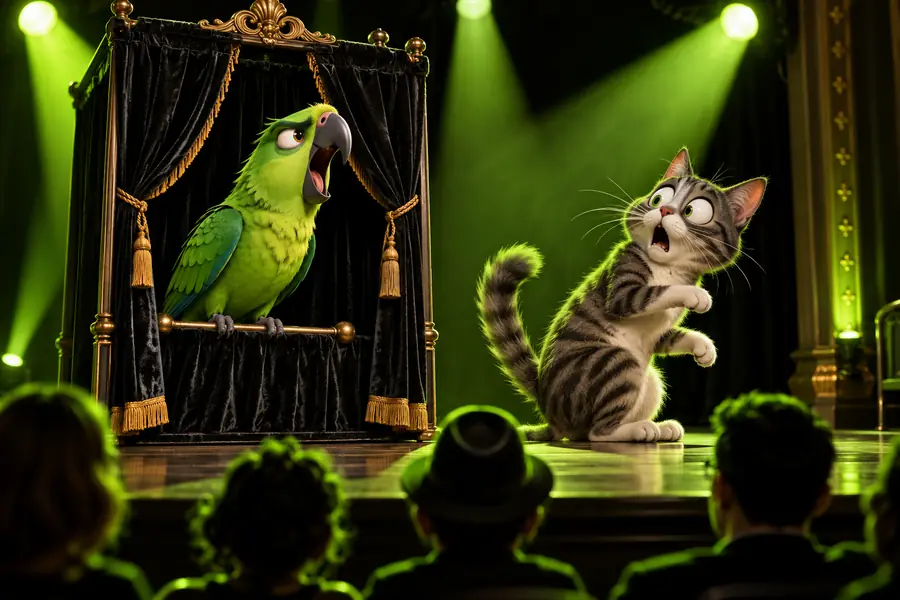
The useful change is not simply more exaggeration. Keep the line understandable, give the reaction a visible turn, and let the final expression finish the idea.
Keep it honest
Use these checks before calling a humorous lip sync clip finished.
A line can sound funny to the creator but feel random to a new viewer.
WorkaroundAdd a visual setup in the first moment or choose wording that explains the situation through contrast.
Accurate synchronization does not automatically create a punchline or a character relationship.
WorkaroundRewrite the idea around one clear mismatch before adjusting expressions or edits.
A restrained face or poorly framed clip may not provide enough visible movement for a broad comic performance.
WorkaroundSelect a clearer source, simplify the delivery, or let the surrounding scene carry more of the humor.
Music, captions, props, and fast cuts may distract from the line that the audience needs to understand.
WorkaroundLower competing elements and protect the spoken phrase, turn, and final reaction.
Compare the take
Use this side-by-side checklist to distinguish a funny idea that is merely loud from one that is easy to watch and share.
Rough comic take
Several possible jokes compete for attention.
Polished comic take
One central mismatch is clear from the opening.
Rough comic take
The line is long or difficult to follow.
Polished comic take
The wording is short enough to understand on the first pass.
Rough comic take
The mouth motion feels detached from the delivery.
Polished comic take
The visible mouth shapes support the spoken rhythm.
Rough comic take
The face stays at one intensity throughout.
Polished comic take
The expression changes at the setup, turn, or reveal.
Rough comic take
Pauses and cuts interrupt the joke.
Polished comic take
The edit protects the setup and leaves room for the reaction.
Rough comic take
The clip stops without a readable final beat.
Polished comic take
The last look or action completes the comic idea.
Make the next take
At Vidione, use a still portrait, short script and selected voice to generate one talking-avatar clip after subscribing. Build any montage or reaction sequence separately, then review speech timing and expression.
Scenario FAQ
Answers to common questions about planning and reviewing funny lip sync examples.
The humor usually comes from a clear contrast between the spoken line and the character, setting, or reaction. A focused premise and a readable final beat are more useful than adding many effects at once.
Choose a short line with a noticeable attitude, such as confidence, confusion, seriousness, or surprise. It should leave enough room for the visual performance to add a second layer of meaning.
Exaggeration can help when the source movement is clear and the joke depends on a visible reaction. Keep it tied to the setup and reveal so the performance remains understandable rather than simply loud.
Watch the clip without explaining it first. If the setup, turn, and final reaction are easy to identify on their own, the comic structure is likely working; if not, simplify the premise or trim the edit.