Lipsync
Create a video
English

Performance ideas

Playful lip sync examples for kids to try

These lip sync examples for kids turn familiar songs, short stories and character voices into manageable performances. Pick an age-appropriate recording, rehearse the cues and decide whether the result needs to be recorded at all.

Partner workflow: Vidione creates paid talking-avatar video from a photo, script and voice, or a single AI video shot after sign-in and subscription. It cannot change the speech or lip movements in an already recorded video. These links transfer no footage or prompt.

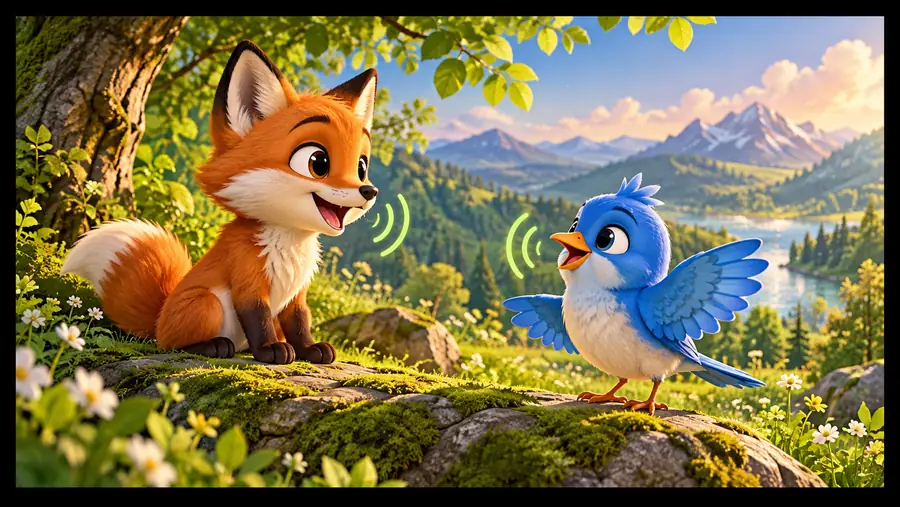
Lipsync landing-page visual

Choose the audience before choosing the audio. Each setting calls for a different balance of rehearsal, movement and privacy.

Classroom teacher

A small group acts out a 20-second exchange between two storybook characters, switching positions when the speaker changes.

Clear turns let shy pupils join through gestures or simple props rather than memorizing a speech.

how to create a lip sync video

Family activity leader

Children mime a cheerful chorus while relatives supply hats, cardboard microphones and an audience.

The performance works as a living-room activity even if nobody records it.

funny lip sync examples

Drama club coach

Pairs perform contrasting character voices, using facial expressions to show who is confident and who is surprised.

A short rehearsal gives each child a role without requiring solos.

lip sync battle

Animation hobbyist

A child designs a paper puppet and matches its mouth positions to a few spoken words.

The exercise connects lip sync timing with drawing and storytelling, rather than on-camera performance.

lip sync animation

3 concrete workflows

Start with the simplest version that fits the child’s comfort level; a polished video is optional.

Act out a storybook exchange

Choose two or three short, distinct lines from material you have permission to use. Assign one voice per child, mark each entrance on a cue card and practice looking toward the next speaker. Keep the first attempt to a single scene so timing remains easy to follow.

Stage a chorus with gestures

Use an age-appropriate recording and pick a brief refrain. Agree on two repeated movements, then rehearse the opening cue before adding costumes. If the words are difficult, let some children handle signs or movement instead of asking everyone to mouth every syllable.

Animate a talking puppet

Record a short original line, then draw closed, open and rounded mouth shapes for a puppet. Change shapes on prominent sounds rather than every letter. Play the audio back and adjust the puppet’s timing until the opening and ending of the line feel aligned.
Example output

A useful result is easy to recognize: viewers can tell who is speaking, follow the expression and hear the original audio clearly.

Planning reference

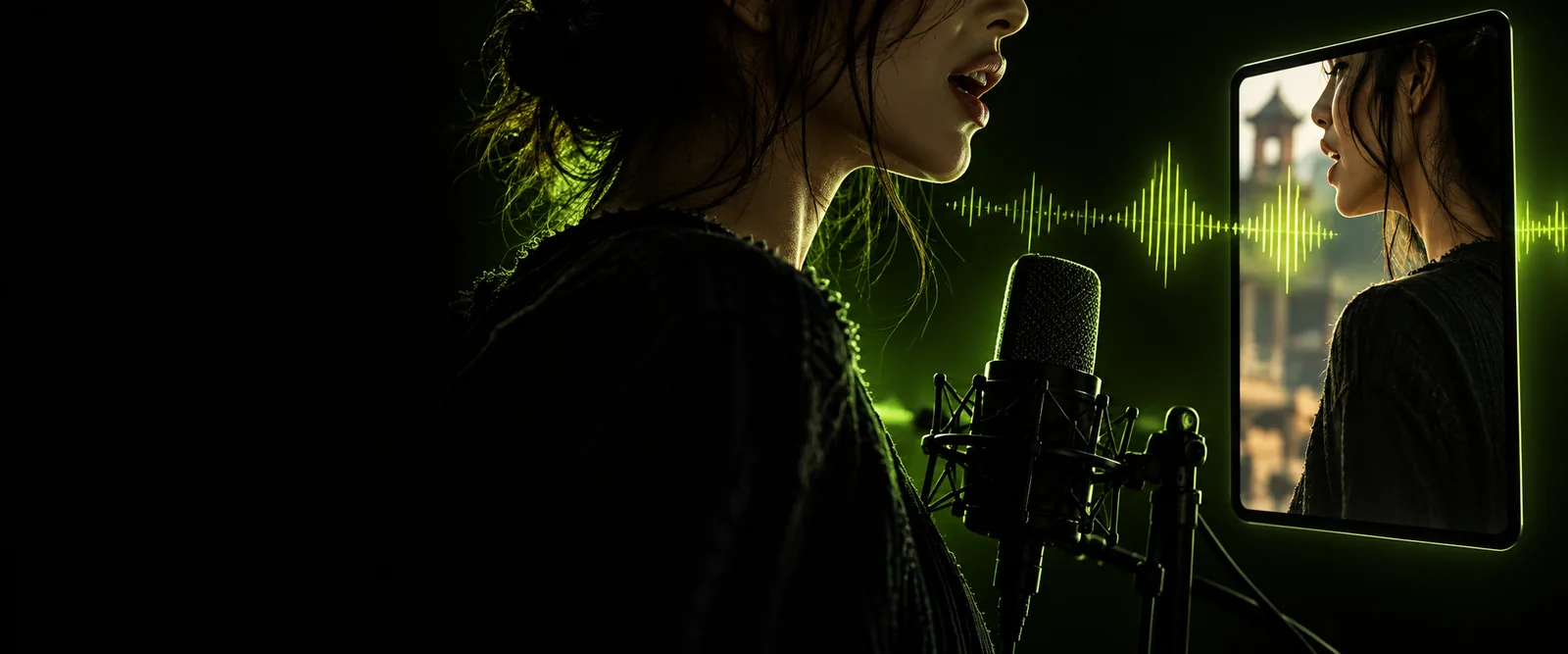
General visual reference for planning a character performance
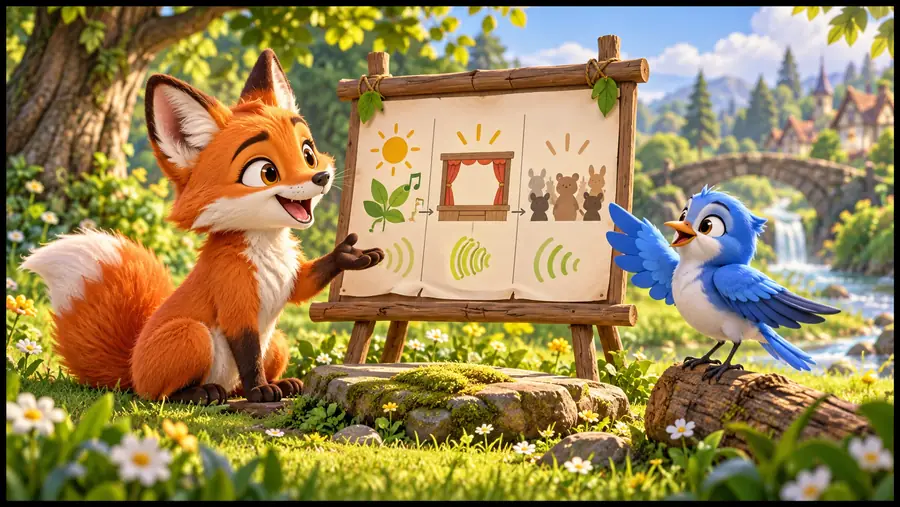
Illustrative visual reference for a child-friendly performance idea
Performance concept

These images illustrate a planning-to-performance concept, not a verified recording or a claim that one image was generated from the other. For a real example, compare a rehearsal with the finished take: the mouth should begin with the voice, pauses should remain visible and gestures should support the story.

Use this checklist to decide whether the idea should stay in the room or become a shareable clip.

Live performance Recorded performance
1

Best starting point

Live performance

A short group scene with an obvious cue

Recorded performance

A rehearsed scene with a clear opening and ending

2

Audio

Live performance

Played at a level everyone in the room can hear

Recorded performance

Checked for clarity against the picture

3

Timing check

Live performance

Watch for missed entrances during rehearsal

Recorded performance

Replay the first word, pauses and final word

4

Children who prefer privacy

Live performance

Can participate with props or offstage cues

Recorded performance

Should have an equally valued off-camera role

5

Permission

Live performance

Confirm the activity suits the setting

Recorded performance

Get appropriate consent before filming or sharing

6

Music or dialogue rights

Live performance

Choose material suitable for the event

Recorded performance

Check reuse rights before uploading or distributing

Compliance notes

Good lip sync timing does not replace consent, content checks or an adult’s judgment about where a child’s image belongs.

A performance idea cannot grant permission

This page cannot authorize recording a child, posting their likeness or using another person’s voice.

WorkaroundAsk the responsible adult and follow the school or group’s consent rules; keep the activity offline if permission is unclear.

A familiar song is not automatically reusable

Being able to play audio at home does not necessarily permit publishing it in a video.

WorkaroundUse an original recording or audio you are licensed to use for the intended audience and platform.

No visual can guarantee perfect synchronization

Fast lyrics, obscured faces and overlapping voices can make a recorded performance hard to follow.

WorkaroundChoose shorter lines, keep the speaker visible and review the opening and ending cues before sharing.

A child should not have to perform on camera

Some children enjoy acting but do not want their face recorded or shown to others.

WorkaroundOffer puppets, props, sound cues or a live-only role, and accept a change of mind.

Turn a small performance idea into a scene

Once you have suitable audio, clear permissions and a child-friendly plan, explore the video creation destination linked here. Check its current options before relying on it for a particular lip sync workflow.

  • Keep the first scene short
  • Review timing with an adult
  • Share only with permission

Scenario FAQ

Try a two-line character conversation, a brief song refrain or a puppet saying one original sentence. Short audio makes it easier to notice the first word, the pause and the ending without turning rehearsal into a test.

Yes. They can move a puppet, hold a cue card, make props or help choose gestures while someone else performs on camera. A live-only group activity is also a complete performance; recording is not required.

For a first attempt, choose a passage short enough to rehearse comfortably in a few rounds, such as one exchange or one refrain. Extend it only if the children want to and can still follow the cues without pressure.

Give older children longer lines if they want them, but offer younger children repeated gestures, props or a simple response. Rotate roles during rehearsal so nobody is stuck with a part they dislike.

Only consider posting after checking the recording rules for the setting, obtaining appropriate consent and confirming rights to the audio. If any of those points is uncertain, keep the performance private or do it live instead.

Create a video
Create a video